
Pet Boarding in Hyderabad | Complete Guide
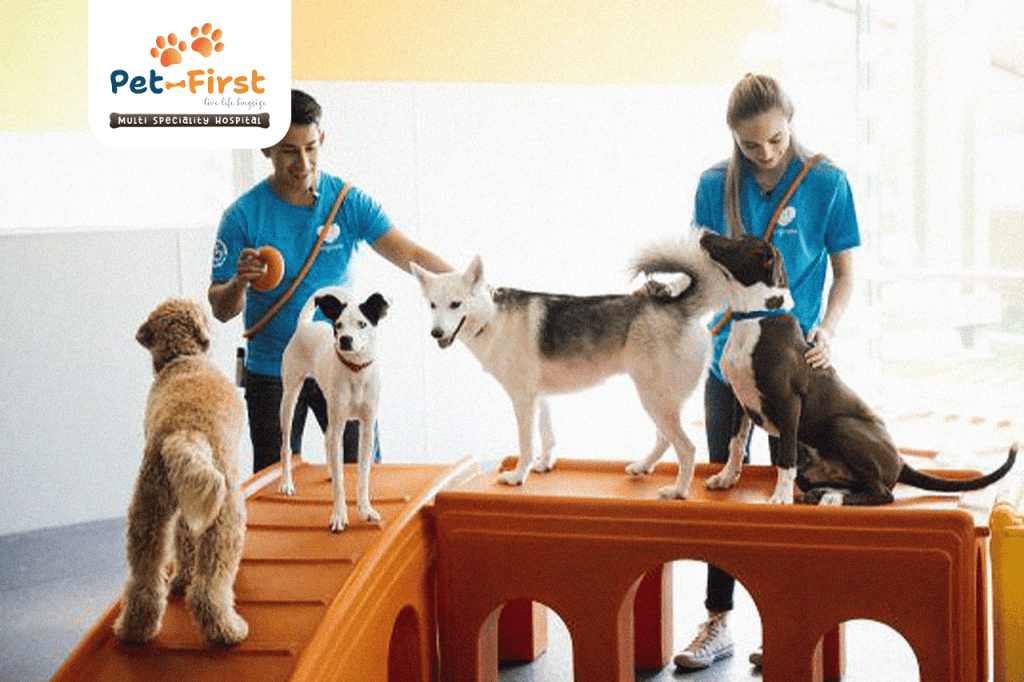
Pet Boarding in Hyderabad – Complete Guide Leaving your pet behind for the first time can feel overwhelming. Whether you are traveling for work, vacation, or a family emergency, ensuring your furry companion is safe and comfortable becomes your top priority. For new pet parents, understanding how pet boarding in Hyderabad works can make the entire process less stressful and more reassuring. This guide walks you through everything you need to know — from choosing the right facility to preparing your pet emotionally and physically. What Is Pet Boarding? Pet boarding is a professional service where trained caregivers look after your pet while you are away. These facilities provide food, shelter, supervision, exercise, and sometimes medical care. Unlike leaving pets with neighbors or friends, boarding centers are designed specifically to meet animal needs. In a growing metro like Hyderabad, the demand for safe and hygienic boarding services has increased as more families consider pets as family members. Why First-Time Pet Parents Feel Anxious – pet boarding in Hyderabad If this is your first time using a boarding facility, your worries are completely natural. Questions like these are common: Will my pet feel scared or lonely? Will they eat properly? What if they fall sick? Will caregivers understand their behavior? The good news is that modern pet care centers in Hyderabad are designed to reduce stress for animals and provide round-the-clock supervision. Types of Pet Boarding Facilities Not all boarding options are the same. Understanding the types available helps you choose what suits your pet best. 1. Standard Kennels These are basic but functional facilities that provide individual enclosures, feeding schedules, and regular walks. 2. Premium Pet Resorts These offer spacious rooms, play areas, grooming services, and sometimes webcams for pet parents to check in remotely. 3. Veterinary-Linked Boarding – pet boarding in Hyderabad Some hospitals offer boarding attached to a clinic, which is ideal for pets with medical needs. Immediate vet access is a big advantage. 4. Home-Style Boarding – pet boarding in Hyderabad This option places pets in a home environment with fewer animals, suitable for pets who get anxious in large facilities. When exploring pet boarding services in Hyderabad, choose based on your pet’s personality, age, and health condition. How to Choose the Right Boarding Facility Making the right choice requires more than a quick Google search. Here’s what to check: Cleanliness and Hygiene The facility should be odor-free, well-ventilated, and cleaned regularly. Hygiene reduces the risk of infections. Trained Staff Caregivers should understand animal behavior, feeding routines, and emergency handling. Veterinary Support Access to a veterinarian is crucial, especially for senior pets or those with medical histories. Space and Comfort Pets need enough room to move, rest, and play. Overcrowded spaces can increase stress. Exercise and Playtime Daily walks and supervised play sessions are essential for both physical and mental health. Visiting the location personally before booking helps you assess whether the environment feels safe and welcoming. Preparing Your Pet for Boarding A smooth boarding experience starts before you even leave home. Schedule a Trial Stay A short overnight stay helps your pet get familiar with the place and reduces separation anxiety later. Maintain Routine Try to keep feeding and walking times consistent before boarding so the transition feels easier. Pack Familiar Items Carry your pet’s favorite blanket, toy, or bed. Familiar scents offer comfort in a new environment. Share Medical Information Provide vaccination records, medication details, and any special dietary requirements. Preparation plays a huge role in making pet stays in Hyderabad comfortable for first-time boarders. Vaccinations and Health Requirements Most professional boarding facilities require pets to be vaccinated. Common requirements include: Rabies vaccine Distemper/parvo combination (for dogs) Feline vaccinations (for cats) Tick and flea prevention These measures protect not just your pet but others staying at the facility. Some centers may also ask for recent health check-up reports. Managing Separation Anxiety Pets can miss their owners just as much as owners miss them. Signs of stress may include loss of appetite, excessive barking, or withdrawal. To reduce anxiety: Avoid emotional goodbyes; keep departures calm Inform staff about your pet’s behavior patterns Choose facilities that allow interaction and playtime Experienced caregivers in Hyderabad pet boarding centers are trained to comfort anxious pets and keep them engaged. Daily Routine at a Boarding Facility Knowing how your pet’s day will look can ease your mind. Morning: Feeding, cleaning, and short walksMidday: Playtime or social interactionEvening: Dinner and relaxationNight: Supervised rest in secure enclosures Premium facilities may include grooming, training sessions, and enrichment activities to keep pets mentally stimulated. Food and Special Diets If your pet follows a specific diet, always provide their regular food. Sudden changes can upset digestion. Label meal portions clearly and mention feeding times. Many boarding homes for pets in Hyderabad accommodate customized meal plans and medication schedules. Safety Measures to Look For Safety should be non-negotiable. Check for: Secure fencing and gates 24/7 supervision Emergency protocols Separate areas for aggressive or sick animals These precautions ensure pets remain protected throughout their stay. Communication While You’re Away Modern pet parents want updates, and many facilities now provide: Daily photos or videos WhatsApp updates Video calls on request Regular communication helps reduce your anxiety and reassures you that your pet is doing well. Costs of Pet Boarding Prices vary depending on the type of facility, room size, and additional services. Premium options with air-conditioned rooms and personal care cost more than standard kennels. While affordability matters, never compromise on hygiene, supervision, and medical support when selecting boarding for pets in Hyderabad. Boarding for Different Types of Pets Puppies and Kittens Young pets need more attention, vaccinations, and gentle handling. Senior Pets Older animals may require medication, orthopedic bedding, and closer monitoring. Special Needs Pets Facilities linked with veterinary care are better equipped for pets with health conditions. Discuss your pet’s age and requirements in detail before confirming the stay. After You Bring Your Pet Home Once reunited, your pet may act extra excited or slightly
Why Pets First Hospital 24/7 Is Every Pet Parent Needs
Why Pets First Hospital 24/7 Is the Lifesaver Every Pet Parent Needs Pet emergencies rarely come with a warning. One moment your dog is happily playing, and the next they may be limping, vomiting, or showing signs of distress. In such critical situations, having access to immediate veterinary care can make the difference between life and loss. That’s where Pets First Hospital 24/7 becomes an essential support system for pet parents who want nothing but the best for their furry family members. The Reality of Pet Emergencies – Pets First Hospital 24/7 Just like humans, pets can face sudden health crises. From road accidents and poisoning to breathing issues and seizures, emergencies can occur at any time — late at night, during holidays, or early in the morning when most clinics are closed. Many pet owners panic because they don’t know where to turn during off-hours. This is exactly why Pets First Hospital 24/7 plays such a crucial role in urban pet healthcare. Round-the-clock veterinary access ensures that pets receive timely medical attention without dangerous delays. Early treatment often prevents complications and significantly improves survival rates. Why 24/7 Veterinary Care Matters – Pets First Hospital 24/7 Delaying treatment during an emergency can worsen a pet’s condition rapidly. Conditions like bloat, internal bleeding, or heatstroke can become fatal within hours. A fully equipped facility such as Pets First Hospital provides immediate triage, stabilization, and advanced care when time is critical. Continuous availability also brings peace of mind. Pet parents can rest easier knowing professional help is always just a call away, no matter the hour. Advanced Emergency Infrastructure – Pets First Hospital 24/7 Not every veterinary clinic is prepared to handle high-risk emergencies. Intensive care requires specialized equipment, trained staff, and monitoring systems. Pets First Hospital is designed with emergency readiness in mind, offering: Oxygen support and ventilators ICU monitoring systems Emergency surgery facilities In-house diagnostic labs 24-hour pharmacy access This level of infrastructure allows veterinarians to act quickly and accurately, which is vital in life-threatening situations. Experienced Emergency Veterinarians Emergency care requires a different skill set compared to routine consultations. Rapid assessment, quick decision-making, and crisis management are key. The medical team at Pets First Hospital 24/7 is trained to handle trauma cases, poisoning incidents, cardiac distress, and other urgent conditions with precision and calmness. Their expertise ensures that pets receive not just fast care, but the right care at the right time. Critical Care and ICU Support Some emergencies don’t end after initial treatment. Pets recovering from major surgery, severe infections, or organ failure may need constant monitoring. Pets First Hospital 24/7 provides dedicated ICU care where vital signs are observed continuously. This level of supervision helps detect complications early and improves recovery outcomes. For pet parents, knowing their companion is under expert watch brings immense relief during stressful times. Rapid Diagnostic Services In emergencies, waiting for lab results from external centers can waste precious time. Pets First Hospital 24/7 offers in-house diagnostics including blood tests, X-rays, ultrasound, and other imaging services. Quick diagnosis leads to faster treatment decisions. Whether it’s identifying internal injuries or detecting toxin exposure, rapid testing saves lives. Emergency Surgeries Without Delay Accidents and critical illnesses sometimes require immediate surgical intervention. A delay of even a few hours can be dangerous. Pets First Hospital 24/7 is equipped to perform emergency procedures such as wound repair, foreign object removal, and life-saving abdominal surgeries. Having surgical facilities available at all hours ensures pets don’t have to be referred elsewhere during critical moments. Support Beyond Emergencies While emergency care is vital, prevention and follow-up treatment are equally important. Pets First Hospital also focuses on post-emergency rehabilitation, medication management, and recovery monitoring. This continuity of care helps pets heal faster and reduces the chances of relapse or complications after discharge. A Stress-Free Environment for Pets Hospitals can be overwhelming for animals, especially during emergencies. The team at Pets First Hospital 24/7 understands the emotional needs of pets and works to maintain a calm, controlled environment. Gentle handling, pain management protocols, and stress-reduction techniques are used to keep pets as comfortable as possible during treatment. Guidance for Pet Parents Emergencies are emotionally draining for owners too. Clear communication makes a big difference. Veterinarians at Pets First Hospital ensure that pet parents are informed about diagnosis, treatment options, risks, and expected recovery. Transparent discussions help families make confident, informed decisions during critical moments. Handling Night-Time and Holiday Crises One of the biggest advantages of Pets First Hospital 24/7 is availability during late-night hours and public holidays. Many serious pet emergencies happen outside regular clinic timings, leaving owners helpless. Round-the-clock service eliminates this gap in care, ensuring that no pet suffers due to lack of access. Specialized Care for Different Pets Dogs and cats have different medical needs, and emergency care must be tailored accordingly. Pets First Hospital 24/7 is experienced in handling a wide range of species-specific emergencies, from feline urinary blockages to canine trauma injuries. This specialized approach ensures accurate and effective treatment for every patient. Preventing Future Emergencies After stabilizing a pet, veterinarians often guide owners on preventing future health risks. Pets First Hospital 24/7 emphasizes education on topics like toxin avoidance, safe exercise, proper nutrition, and early symptom recognition. Preventive awareness reduces repeat emergencies and helps pets live longer, healthier lives. Trust Built Through Reliability Trust is earned when help arrives exactly when it’s needed most. Over time, pet parents come to rely on Pets First Hospital 24/7 not just for emergencies, but as a dependable healthcare partner. Knowing there is a dedicated facility prepared for any crisis builds long-term confidence and loyalty. Technology That Supports Faster Recovery Modern veterinary medicine relies on technology for better outcomes. From digital imaging to advanced monitoring systems, Pets First Hospital 24/7 uses updated medical tools to improve diagnostic accuracy and treatment efficiency. Technology combined with expertise leads to faster stabilisation and smoother recovery journeys. Emotional Relief for Families Seeing a beloved pet in distress can be heartbreaking. Having immediate access
Common Diseases in Dogs and How to Prevent Them

Common Diseases in Dogs and How to Prevent Them Dogs are loving, loyal companions, and as pet parents, keeping them healthy is a top priority. Understanding common diseases in dogs and how to prevent them can help you detect early warning signs and ensure your furry friend lives a long, happy life. Many dog health problems can be avoided with proper vaccination, hygiene, nutrition, and regular veterinary care. In this guide, we’ll cover the most common dog diseases, their symptoms, and practical steps for dog disease prevention. Why Knowing Common Dog Diseases Matters Dogs cannot tell us when they feel unwell, so it’s important for pet parents to recognize subtle signs of illness. Early detection of common diseases in dogs can prevent complications and reduce treatment costs. Preventive care is always better than emergency treatment. Regular vet checkups, timely vaccinations, and awareness about dog health problems are essential parts of responsible pet parenting. 1. Parvovirus (Parvo) – Common Diseases in Dogs Parvovirus is one of the most serious and common diseases in dogs, especially puppies. It spreads through contaminated food, surfaces, or contact with infected dogs. Symptoms: Severe vomiting Bloody diarrhea Loss of appetite Extreme weakness Prevention: Follow the complete dog vaccination schedule Avoid taking unvaccinated puppies to public places Maintain proper hygiene at home Parvo can be fatal, but it is preventable through timely preventive care for dogs. 2. Canine Distemper – Common Diseases in Dogs Canine distemper is a viral infection affecting a dog’s respiratory, digestive, and nervous systems. It is highly contagious and considered a major dog health risk. Symptoms: Fever Nasal discharge Coughing Seizures in severe cases Prevention: Core vaccinations for dogs Avoid contact with stray or unvaccinated dogs Vaccination is the most effective method of dog disease prevention against distemper. 3. Rabies – Common Diseases in Dogs Rabies is a deadly viral disease that affects the brain and nervous system. It can spread to humans through bites, making it a serious public health concern. Symptoms: Aggressive behavior Excessive drooling Paralysis Behavioral changes Prevention: Mandatory rabies vaccination for dogs Keep your dog away from wild animals Report stray dog bites immediately Rabies is preventable but almost always fatal once symptoms appear. 4. Tick Fever (Ehrlichiosis & Babesiosis) Tick-borne illnesses are common diseases in dogs, especially in warm climates. Ticks transmit harmful parasites that attack the blood. Symptoms: Fever Loss of appetite Nosebleeds Lethargy Prevention: Regular tick and flea treatments Grooming and checking your dog’s coat Keeping living areas clean Using vet-approved parasite control is key to preventing dog diseases caused by ticks. 5. Kennel Cough Common Diseases in Dogs Kennel cough is a contagious respiratory infection seen in dogs that spend time in boarding facilities or parks. Symptoms: Persistent dry cough Sneezing Mild fever Nasal discharge Prevention: Vaccination for kennel cough Avoid crowded dog areas during outbreaks Maintain strong immunity with proper nutrition Though often mild, untreated kennel cough can develop into pneumonia. 6. Skin Infections – Common Diseases in Dogs Skin issues are among the most common dog health problems. Allergies, fungal infections, and parasites can cause irritation. Symptoms: Itching and scratching Hair loss Red or inflamed skin Bad odor from the skin Prevention for Common Diseases in Dogs: Regular bathing with dog-friendly shampoo Balanced diet for healthy skin Prompt treatment of fleas and ticks Good hygiene plays a big role in dog disease prevention related to skin conditions. 7. Ear Infections – (Common Diseases in Dogs) Dogs with floppy ears or excessive hair in their ears are more prone to infections. Symptoms: Head shaking Ear scratching Bad smell from ears Redness or discharge Prevention: Clean ears regularly with vet-recommended solutions Keep ears dry after bathing Regular veterinary checkups Ignoring ear infections can lead to pain and hearing problems. 8. Dental Disease – Common Diseases in Dogs Dental issues are often overlooked but are very common diseases in dogs. Plaque buildup can lead to gum infections and tooth loss. Symptoms: Bad breath Difficulty eating Swollen gums Loose teeth Prevention: Brush your dog’s teeth regularly Provide dental chews Professional dental cleaning when needed Oral health is a vital part of preventive care for dogs. 9. Obesity – Common Diseases in Dogs Obesity is an increasing problem among pet dogs and can lead to diabetes, joint issues, and heart disease. Symptoms: Weight gain Low energy Difficulty moving Prevention: Balanced diet recommended by a veterinarian Regular exercise and playtime Avoid overfeeding treats Maintaining a healthy weight reduces the risk of many common dog diseases. 10. Worm Infestations – Common Diseases in Dogs Intestinal worms are common in puppies and adult dogs, especially those that spend time outdoors. Symptoms: Pot-bellied appearance Diarrhea Weight loss Worms visible in stool Prevention: Regular deworming schedule Clean surroundings Avoid contaminated food and water Routine deworming is an essential step in dog disease prevention. General Tips to Prevent Common Diseases in Dogs Preventing common diseases in dogs requires a proactive approach: 🐶 Vaccinations Follow your veterinarian’s recommended dog vaccination schedule to protect against life-threatening illnesses. 🥗 Proper Nutrition A balanced diet strengthens immunity and supports overall dog health. 🧼 Hygiene Regular grooming, bathing, and cleaning of bedding reduce infection risks. 🏃 Exercise Daily activity keeps your dog physically and mentally healthy. 🩺 Routine Vet Visits Annual or biannual checkups help detect dog health problems early. 🐾 Parasite Control Use preventive treatments for fleas, ticks, and worms. When to Visit a Vet Immediately Even with preventive care, some symptoms require urgent attention: Continuous vomiting or diarrhea Seizures Difficulty breathing Severe injuries Sudden behavioral changes Early veterinary care can save your dog’s life. Final Thoughts Understanding common diseases in dogs and how to prevent them empowers pet parents to take better care of their furry companions. Prevention through vaccination, hygiene, nutrition, and routine vet visits is always more effective than treatment after illness strikes. A healthy dog is a happy dog — and with proper preventive care for dogs, you can
Why Pets Get Sick More in Winter: Complete Guide
Winter brings cozy blankets, warm drinks, and lazy mornings for humans—but for pets, the season often brings discomfort, health issues, and sudden changes in behavior. Many pet parents wonder Why Pets Get Sick More in Winter, especially when their furry companions begin showing signs of dryness, reduced acti In this comprehensive guide, we explore the science behind winter-related illnesses in pets, common symptoms to watch for, and veterinary-approved strategies to ensure your pet stays warm, healthy, and happy. Whether you have a dog, cat, or senior pet, knowing Why Pets Get Sick More in Winter can help you prevent seasonal problems before they escalate. 1. How Winter Affects Pets’ Health Many pet parents are unaware that the winter season impacts animals far more than humans realize. Pets have different temperature tolerance levels, and cold weather can cause various internal and external changes. Lower Immunity During Cold Months One major reason Why Pets Get Sick More in Winter is the seasonal decline in immunity. Just like humans experience colds and infections when temperatures drop, pets also become more vulnerable to viruses, bacteria, and fungal infections during chilly months. Cold air can: Dry out nasal passages Reduce natural moisture barriers Encourage the spread of contagious illnesses Increase stress levels in pets These factors collectively weaken the immune system. Cold Temperatures Impact Body Regulation Pets regulate their body temperature through fur and metabolism. During winter, this process becomes harder, especially for short-haired breeds, small dogs, senior pets, and young puppies. When pets struggle to maintain their internal heat, they burn more calories, lose energy faster, and become more prone to illness. 2. Common Winter Illnesses in Pets Understanding Why Pets Get Sick More in Winter starts with knowing the major health problems pets face during cold weather. Respiratory Infections Dry, cold air affects the respiratory system, leading to: Coughing Sneezing Nasal discharge Breathing difficulties Kennel cough, canine flu, and feline respiratory infections increase significantly during winter. Dry Skin & Dandruff Low humidity causes: Itchy skin Flaky coat Dandruff Excessive shedding This is especially common in dogs who spend time near heaters or air blowers. Joint Pain & Stiffness Senior pets and breeds prone to arthritis experience worsening symptoms due to decreased joint lubrication in cold weather. This is one of the strongest reasons Why Pets Get Sick More in Winter, as joint-related discomfort often goes unnoticed until it becomes severe. Digestive Issues Winter reduces physical activity. Combined with overeating or poor hydration, pets may experience: Constipation Low appetite Digestive discomfort Hypothermia & Frostbite Pets exposed to extremely low temperatures may experience: Shivering Weakness Pale ears or paws Blue-tinted skin (severe cases) Outdoor pets and small breeds are at highest risk. 3. Why Pets Behave Differently in Winter Another aspect of Why Pets Get Sick More in Winter relates to their behavior and mood. Reduced Activity Levels Shorter days and cold temperatures reduce outdoor playtime, leading to: Weight gain Boredom Restlessness Slow metabolism Seasonal Depression (Yes, It Happens!) Pets may experience seasonal affective disorder-like symptoms due to: Reduced sunlight Limited movement Lonely indoor hours This can lower immunity and increase the risk of illness. 4. Breeds Most Affected During Winter Not all pets tolerate cold weather the same way. Some breeds naturally struggle more in low temperatures, explaining Why Pets Get Sick More in Winter. High-Risk Breeds Beagles Pugs Dachshunds Chihuahuas Greyhounds Short-haired cats (like Siamese) Breeds More Comfortable in Winter Huskies Saint Bernards German Shepherds Tibetan Mastiffs However, even cold-resistant breeds need proper winter care. 5. Indoor Environment Plays a Bigger Role Than You Think One surprising reason Why Pets Get Sick More in Winter is the environment inside your home. Heaters Dry Out Skin Constant exposure to heating systems leads to: Dehydration Itchiness Rough skin texture Cold Floors Cause Joint Pain Tiles, marble flooring, and cold surfaces worsen stiffness in pets. Poor Ventilation Spreads Germs Closed rooms trap: Germs Allergens Dust This increases respiratory issues. Providing warm resting areas and using humidifiers can significantly improve your pet’s winter comfort. 6. Early Signs Your Pet Isn’t Handling Winter Well Knowing Why Pets Get Sick More in Winter also means recognizing symptoms early. Warning Signs Continuous shivering Avoiding cold floors Red or cracked paws Dry, flaky skin Lethargy Reduced appetite Slow movement Excessive licking of joints Irritability or mood swings If these signs persist, consult a veterinarian immediately. 7. When to Visit a Vet: Your Winter Health Checklist Because winter illnesses escalate quickly, timely medical care is important. Facilities like pets first hospital 24/7, pet’s care super specialty hospital jubilee hills, and pets first hospital offer round-the-clock care for sudden winter emergencies. Visit a vet if your pet shows: Persistent coughing or nasal discharge Sudden limping or stiffness Continuous shivering Lack of appetite for more than 24 hours Difficulty breathing Visible skin irritation Early intervention prevents complications like pneumonia, arthritis flare-ups, or severe dehydration. 8. How to Protect Pets From Winter Illnesses Now that you understand Why Pets Get Sick More in Winter, here are proven strategies to prevent seasonal issues. Warm, Insulated Bedding Use: Thick blankets Foam beds Heated pads (with safety precautions) Elevated beds (away from cold floors) Smart Layering Short-haired pets benefit from: Sweaters Jackets Booties for paw protection Hydration & Diet Adjustments Keep water at room temperature Add wet food to meals Warm broth with kibble Consult a vet for calorie adjustments Regular Grooming Brush frequently to distribute natural oils Avoid shaving fur short Limit baths to prevent dryness Indoor Enrichment Since outdoor time reduces in winter: Puzzle feeders Interactive toys Indoor sniffing games Short indoor workout sessions Paw & Nose Protection Use: Pet-safe paw balms Moisturizing nose balms Wipe paws after walks 9. Winter Care for Senior Pets Senior pets are among the most affected, which is a major contributor to Why Pets Get Sick More in Winter. Extra Care Tips: Orthopedic bedding Warm clothing Joint supplements (vet-approved) Low-impact exercises Avoid cold floors Routine health checkups Hospitals like pets first hospital 24/7 and pet’s care super specialty hospital
Indian Celebrities & Their Adorable Pet Breeds | PF

Pets are not just companions—they’re family. From Bollywood superstars to cricket legends, many Indian celebrities are proud pet parents who share an unbreakable bond with their furry friends. Let’s take a look at 10 Indian celebrities and the pet breeds they absolutely adore. ❤️🐶🐱 1. Virat Kohli – Beagle & Labrador Pets: Bruno (Beagle), Shadow (Labrador) Virat Kohli and Anushka Sharma are passionate animal lovers. Their dogs are often seen joining family moments, vacations, and even festive celebrations. Why this breed? Beagles and Labradors are energetic, loyal, and perfect for active lifestyles. 2. Alia Bhatt – Cat (Persian Mix) Pet: Edward Alia Bhatt’s love for her cat Edward is well known. She often shares cuddly moments on social media, showing how deeply she cares for him. Why cats? Low-maintenance, affectionate, and ideal for calm indoor living. 3. MS Dhoni – Belgian Malinois & Labrador Pets: Zoya, Lily, and more Former Indian cricket captain MS Dhoni owns several dogs, including the highly intelligent Belgian Malinois. Why this breed? Strong, disciplined, and highly trainable—perfect for an athlete’s lifestyle. 4. Priyanka Chopra – Chihuahua Pet: Diana Global icon Priyanka Chopra adores her Chihuahua Diana, who even traveled with her during international shoots. Why this breed? Small, stylish, and fiercely loyal—ideal for frequent travelers. 5. Salman Khan – Neapolitan Mastiff Pet: My Love Salman Khan owns a massive Neapolitan Mastiff, often seen guarding his farmhouse. Why this breed? Protective, powerful, and extremely loyal. 6. Shraddha Kapoor – Shih Tzu Pet: Shyloh Shraddha Kapoor’s Shih Tzu Shyloh is a social media star in his own right. Why this breed? Cute, affectionate, and perfect for apartment living—great for Indian homes. 7. Akshay Kumar – Labrador Retriever Pet: Cleo Fitness enthusiast Akshay Kumar shares his disciplined lifestyle with his Labrador. Why this breed? Friendly, intelligent, and excellent family dogs. 8. Jacqueline Fernandez – Indie Dog (Rescue) Pet: YoYo Jacqueline actively promotes pet adoption and proudly parents an Indian Indie dog. Why Indie dogs? Healthy, intelligent, adaptable, and perfect for Indian climates. 9. Saif Ali Khan – Pataudi Hound Pet: Shadow Saif owns a rare Pataudi Hound, a breed developed by his royal ancestors. Why this breed? Rare, elegant, and deeply connected to Indian heritage. 10. Yuvraj Singh – Golden Retriever Pet: Hazel Cricketer Yuvraj Singh’s Golden Retriever Hazel is a bundle of joy. Why this breed? Gentle, loving, and great with families and kids. 🐕 What We Can Learn from Celebrity Pet Parents Indian celebrities show us that: Pets are lifelong companions Adoption is always a beautiful choice Every breed deserves love, care, and respect At Pet-First, we believe every pet deserves nutrition, healthcare, grooming, and unconditional love—just like these celebrity pets receive.
Why Your Pet Needs a 24/7 Hospital: Things Emergencies Don’t Wait For
An Expert Guide by Pet-First, Hyderabad’s 24/7 Multi-Speciality Pet Hospital When it comes to our pets, emergencies rarely come with a warning. A playful jump, a wrong bite, a sudden fever, or even a quiet night can turn into a moment of panic. As a responsible pet parent, the biggest gift you can give your furry friend is timely, expert medical care — anytime, day or night. That’s exactly why Pet-First, Hyderabad’s trusted 24/7 multi-speciality pet hospital, exists: To be there for your pet every single moment they might need help. 🌙 Emergencies Don’t Follow Timings — Neither Do We Most vet clinics operate only during daytime. But pets fall sick during: Late-night hours Early mornings Weekends Holidays A sudden emergency at 2:00 AM can leave you helpless — unless you have access to round-the-clock medical care. Pet-First provides 24/7 doctors, on-call emergency care, critical care units, diagnostic services, and advanced treatment facilities, so help is available the moment your pet needs it. ⚡ Common Pet Emergencies That Can Happen Anytime 1. Accidents & Injuries Whether it’s a fall from stairs, a road accident, or a rough landing while playing, injuries require immediate attention. Delayed care can lead to: Internal bleeding Fractures worsening Infections Severe pain At Pet-First, the emergency team is trained to handle trauma cases with advanced diagnostics, X-ray, and immediate stabilization. 2. Vomiting & Diarrhea Attacks A sudden, severe episode of vomiting or diarrhea can quickly lead to dehydration. In some cases, it may be due to: Food poisoning Infections Parvovirus Pancreatitis Gastric obstruction These conditions need urgent treatment — especially in puppies and kittens. 3. Difficulty Breathing Labored breathing, open-mouth breathing in cats, or sudden panting could indicate: Asthma Heart failure Allergic shock Fluid in lungs Heat stroke This is a critical emergency, and only a 24/7 hospital like Pet-First can provide immediate oxygen therapy, nebulization, and ICU support. 4. Choking or Swallowing Foreign Objects Pets often swallow: Toys Bones Sticks Fabrics Rubber balls These can block the airway or digestive tract. 24/7 immediate intervention prevents complications like choking, perforation, or surgery delays. 5. Seizures & Neurological Episodes Seizures can start suddenly and recur within minutes. If untreated, they can lead to: Brain damage Organ failure Life-threatening complications Pet-First has monitoring systems, IV medications, and round-the-clock neurologic support for such emergencies. 6. Sudden High Fever Fever above 103°F in dogs or 102.5°F in cats is dangerous. It could be caused by: Tick fever Viral infections Bacterial infections Heat stroke Immediate diagnosis and treatment help prevent deterioration. 7. Tick Fever & Parvovirus in Puppies Hyderabad’s climate increases the risk of: Tick-borne diseases Parvo virus (highly fatal in puppies) Symptoms appear suddenly and progress fast. 24/7 monitoring, IV drips, nutrition support, and timely medications can save lives. 8. Pregnancy Complications & Deliveries Whelping doesn’t follow human clinic hours. Pregnant pets may need: Emergency C-sections Dystocia (blocked labor) treatment Neonatal support for newborns 24/7 monitoring post-delivery Pet-First’s vet team ensures the safety of both mother and pups/kittens. 9. Urinary Blockages Especially common in male cats. A cat unable to urinate is in a life-threatening condition, requiring immediate catheterization and hospitalization. 10. Poisoning & Toxic Ingestion Pets may unknowingly ingest: Chocolates Certain human medicines Rat poison Pesticides Toxic plants Fast response = higher chance of recovery. 🏥 Why 24/7 Multi-Speciality Care Matters A standard daytime clinic cannot provide: 24-hour monitoring ICU support Emergency surgeries Continuous oxygen therapy Advanced scanning & diagnostics Night-time doctor support Pet-First combines all of these under one roof with: ICU & critical care units On-site diagnostics (X-ray, ultrasound, blood tests) Emergency surgical team Trained veterinarian specialists 24/7 nursing and monitoring This ensures your pet receives the right care at the right moment, never delayed. ⭐ Why Choose Pet-First, Hyderabad? ✔ 24/7 doctor availability ✔ Emergency & trauma care ✔ Multi-speciality departments (Dermatology, Surgery, Dentistry, Internal Medicine, Orthopedics & more) ✔ ICU & critical care monitoring ✔ State-of-the-art diagnostic facilities ✔ Compassionate, experienced veterinary team ✔ Safe, hygienic, pet-friendly environment ✔ Rapid, accurate emergency response At Pet-First, every second matters — especially when it comes to saving lives. ❤️ Final Thoughts Your pet depends on you for everything — especially during emergencies. And emergencies don’t wait for clinic timings. With Pet-First – Hyderabad’s 24/7 multi-speciality pet hospital, you can stay confident knowing that expert care is always available, no matter the hour. Because when it comes to your pet, the right care at the right time can make all the difference.
5 Tips for Choosing a Pet Grooming in Hyderabad
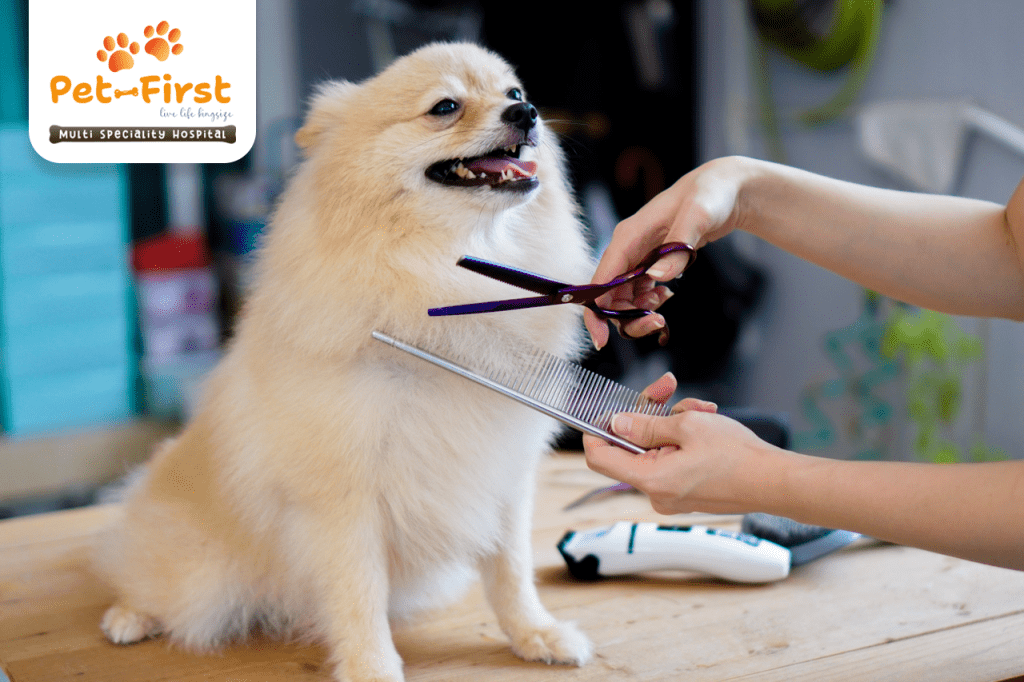
Pet grooming is an essential part of keeping your furry companion healthy, hygienic, and happy. With several options available for pet grooming in Hyderabad, choosing the right grooming center can be overwhelming. Your pet deserves a professional, safe, and comforting environment—so making the right choice is important. Here are 5 important tips to help you select the best grooming center in Hyderabad for your pet. 1. Check Groomer’s Experience and Credentials Before finalizing any grooming center, always check the expertise and training of the groomers. Certified and experienced groomers know how to handle different breeds, coats, and temperaments. Why it matters: Reduces the risk of cuts, burns, or mishandling Ensures breed-specific grooming styles Helps in spotting early signs of skin or coat issues In a city like Hyderabad, where grooming demand is high, choosing a trained professional ensures your pet is in safe hands. 2. Ensure the Grooming Center Is Clean & Hygienic A clean environment is crucial for your pet’s health. Before booking an appointment, visit the grooming center to inspect hygiene standards. Things to observe: Clean tables, tubs, and tools Separate areas for grooming and washing Safe, pet-friendly products Fresh towels and sanitized equipment Poor hygiene can lead to infections, skin allergies, or flea infestations—so always prioritize cleanliness. 3. Ask About the Grooming Services They Offer Every pet has different grooming needs. A good pet grooming center in Hyderabad should offer a full range of services such as: Bath & blow-dry Nail trimming Haircut & styling Ear cleaning Tick & flea treatment DE shedding & detangling Puppy grooming packages Choose a center that provides customizable grooming packages based on your pet’s breed, coat type, and lifestyle. 4. Check Reviews & Recommendations Before finalizing the center, read Google reviews, social media feedback, and ask for recommendations from other pet parents. Genuine reviews reveal: Groomer’s behavior How pets are handled Service quality Waiting time & appointment convenience Customer satisfaction levels In Hyderabad’s fast-growing pet community, reputation matters—choose a center that consistently earns good reviews. 5. Consider Convenience, Pricing & Safety A perfect grooming center is one that offers a smooth, safe, and stress-free experience. Evaluate: Is it located close to your home? Do they offer transparent pricing? Are pets monitored at all times? Do they avoid sedatives? Are pets dried safely (no cage dryers)? Some grooming centers even offer home grooming services in Hyderabad, which can be convenient if your pet is anxious or elderly. Final Thoughts Choosing the right pet grooming center in Hyderabad goes beyond just affordability—it’s about trust, safety, and comfort. By checking experience, hygiene, services, reviews, and safety standards, you can ensure your furry friend receives professional and loving care.
Winter Care Tips for Pets – By Pet-First

1. Keep Your Pet Warm Indoors Pets feel the cold too! Make sure they have a cozy corner with blankets, warm bedding, and no direct drafts. Small breeds, short-coat dogs, senior pets, and puppies need extra warmth. 2. Use Pet-Friendly Winter Clothing Sweaters, hoodies, and jackets help maintain body heat. Ensure the clothing is comfortable, breathable, and fits well. Avoid tight elastics or itchy fabrics. 3. Avoid Very Cold Baths In winter, reduce the frequency of baths and always use lukewarm water. Dry your pet completely using a towel and blower to prevent chills, fungal infections, and shedding. 4. Moisturize Skin & Paws Cold weather often causes dry skin. Use vet-approved moisturizers, paw balms, and conditioning sprays to prevent cracks, itching, and rough paws. Avoid using human lotions. 5. Ensure Proper Hydration Pets tend to drink less water in winter. Keep fresh water accessible and encourage them to drink regularly to avoid dehydration or urinary issues. 6. Winter-Appropriate Nutrition Give warm, freshly cooked meals and include immunity-boosting foods (as recommended by your vet). Slightly increasing protein may help maintain warmth and energy. 7. Keep Them Active Indoors Shorter days and cold weather can reduce outdoor activity. Engage pets with indoor games, tug toys, puzzle feeders, and indoor walks to maintain fitness. 8. Watch for Winter Health Signs Contact a vet immediately if you notice: Shivering Dry or flaky skin Reduced appetite Lethargy Breathing discomfort Early care can prevent complications. 9. Schedule Winter Grooming Winter grooming is essential! Thick, tangled coats trap moisture and cause skin infections. Choose a warm winter grooming session at Pet-First to keep coats clean, dry, and mat-free. Pet-First Recommendation A healthy winter starts with warmth, nutrition, and proper grooming. At Pet-First, our experts help you maintain your pet’s coat, skin, and overall wellness throughout the cold months. Keep your pet warm. Keep your pet happy. Keep your pet healthy — with Pet-First.
Top 4 Friendly Dog Breeds: The Best Companions for Families & First-Time Pet Parents

Choosing the right dog breed can make a world of difference—especially if you want a loving, gentle, and people-friendly companion. Whether you’re a first-time pet parent or looking for a family-friendly breed, some dogs are naturally more social, affectionate, and easy-going. In this guide, we explore the Top 4 Friendly Dog Breeds known for their warm personalities, loyalty, and easy adaptability. 1. Labrador Retriever – The World’s Friendliest Dog Best for: Families, first-time dog owners, active households Temperament: Gentle, playful, intelligent Labradors are famous for their unwavering friendliness. They get along amazingly with children, other pets, and even strangers. Their trainability and joyful personality make them one of the best companion breeds in the world. Why Labs Are So Loved: Extremely patient with kids Easy to train Loves outdoor activities Rarely shows aggression 2. Golden Retriever – The Gentle People-Pleaser Best for: Families, therapy work, emotional support Temperament: Calm, affectionate, eager to please Golden Retrievers are known for their soft temperament and strong emotional intelligence. They are natural comfort-givers and build deep bonds with their families. What Makes Goldens Amazing: Exceptionally gentle Highly intelligent Great with children and elders Friendly with other dogs 3. Beagle – The Cheerful Little Explorer Best for: Apartments, families with kids Temperament: Curious, social, energetic Beagles are compact, lovable, and extremely friendly. Their happy-go-lucky nature makes them ideal for families and small living spaces. Why Beagles Are Popular: Very social and playful Low maintenance Adaptable to small homes Gets along with everyone 4. Poodle – Smart, Social, and Hypoallergenic Best for: Allergy-prone families, active individuals Temperament: Intelligent, loyal, outgoing Poodles (Toy, Miniature & Standard) are known not just for their intelligence but also for their friendly nature. They bond quickly and love being a part of family activities. Why Poodles Stand Out: Hypoallergenic coat Highly trainable Active and fun-loving Great social temperament When choosing a friendly dog breed, consider your lifestyle—whether you want an active outdoor buddy, a calm lap dog, or a family-friendly companion. The breeds listed above are known for their loving temperaments and ability to fit into almost any home. A friendly dog doesn’t just melt your heart—they become family.
Dog Health Problems & Prevention Tips | Pet-First
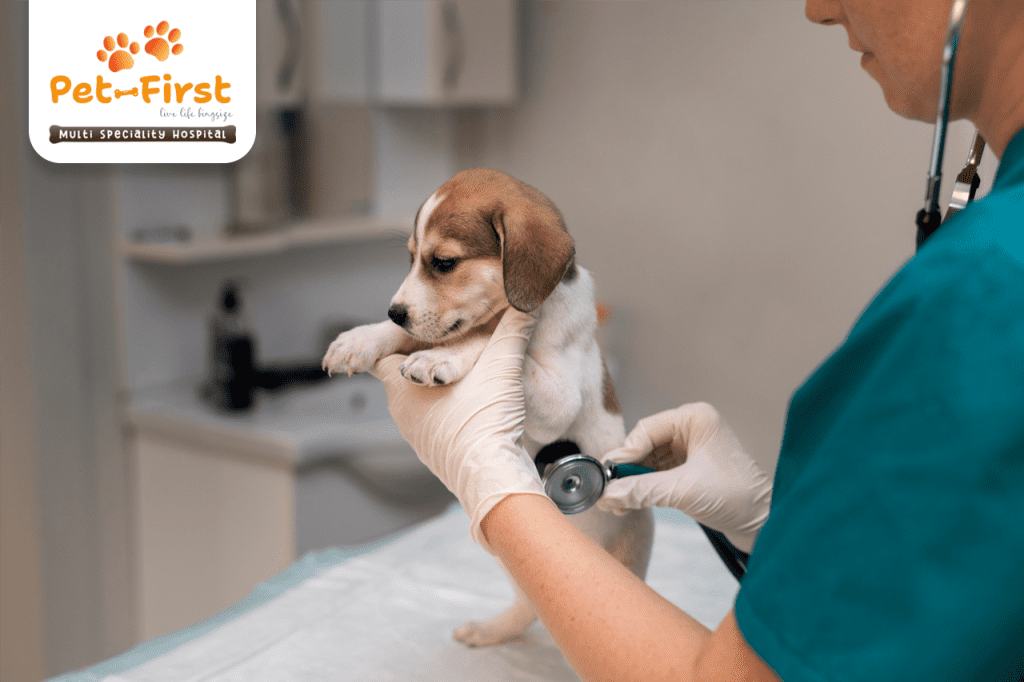
Dog Health Problems & Prevention Tips Dogs may be full of energy, love, and loyalty—but just like humans, they can suffer from health problems. As a pet parent, noticing early signs and taking preventive measures can help your dog live a longer, healthier, and happier life. Here are three of the most common health issues in dogs, along with symptoms, prevention tips, and when to see a vet. 1. Skin Allergies (Dermatitis) One of the most common issues in dogs worldwide Skin allergies can be triggered by food, fleas, dust, grass, pollen, or even certain grooming products. Dogs with allergies tend to scratch excessively, causing redness, hair loss, and sometimes infections. Common Symptoms Constant itching or licking Red, inflamed skin Hair loss or bald spots Frequent ear infections Rashes, bumps, or flaky skin How to Prevent & Manage Use a veterinarian-recommended flea and tick treatment Switch to hypoallergenic food if food allergies are suspected Bathe your dog using gentle or medicated shampoos Keep the home environment clean to reduce dust and pollen When to See a Vet If itching persists for more than a week or the skin becomes infected, professional treatment is needed. 2. Obesity & Weight Problems A growing concern, especially in indoor dogs Excess weight puts stress on your dog’s joints, heart, and organs. It increases the risk of diabetes, arthritis, and decreased lifespan. Signs Your Dog Might Be Overweight Difficulty feeling ribs Reduced stamina Heavy breathing Difficulty jumping or walking Visible fat deposits around the belly How to Prevent & Manage Follow portion-controlled feeding Avoid feeding table scraps and high-calorie treats Choose a balanced, vet-approved diet Ensure regular walks and exercise Track your dog’s weight every month When to See a Vet If your dog gains weight suddenly or struggles to walk, professional intervention is important. 3. Dental Disease (Periodontal Issues) More than 70% of dogs over 3 years face dental problems Poor dental hygiene can cause bad breath, tooth loss, gum infections, and even heart or kidney issues, as bacteria spreads through the bloodstream. Common Symptoms Yellow or brown tartar buildup Bad breath Drooling or difficulty chewing Bleeding gums Pawing at the mouth How to Prevent & Manage Brush your dog’s teeth 2–3 times a week Provide chew toys and dental treats Schedule annual dental checkups Feed a diet that supports oral health When to See a Vet If your dog avoids eating, cries while chewing, or has bleeding gums, immediate dental care is needed.